
When a Fresh Coat of Paint Won't Cut It
Kitchen cabinets take a beating. Years of steam, grease, daily wear, and South Florida's humidity can slowly degrade even well-built cabinetry. At some point, every Hollywood homeowner stares at their kitchen and wonders: Can I get away with painting these, or do they actually need to go?
It's a fair question — and an important one. Painting or refacing cabinets can save thousands of dollars compared to a full replacement. But if the underlying structure is compromised, cosmetic fixes are just a bandage on a bigger problem. Here's how to figure out which camp your cabinets fall into.
1. The Doors Look Fine, but the Boxes Are Falling Apart
Cabinet doors are what you see every day, so they get all the attention. But the real structure of your kitchen lives behind them — the cabinet boxes mounted to your walls. If those boxes are warped, delaminating, or pulling away from the wall, no amount of paint or new doors will fix the issue.
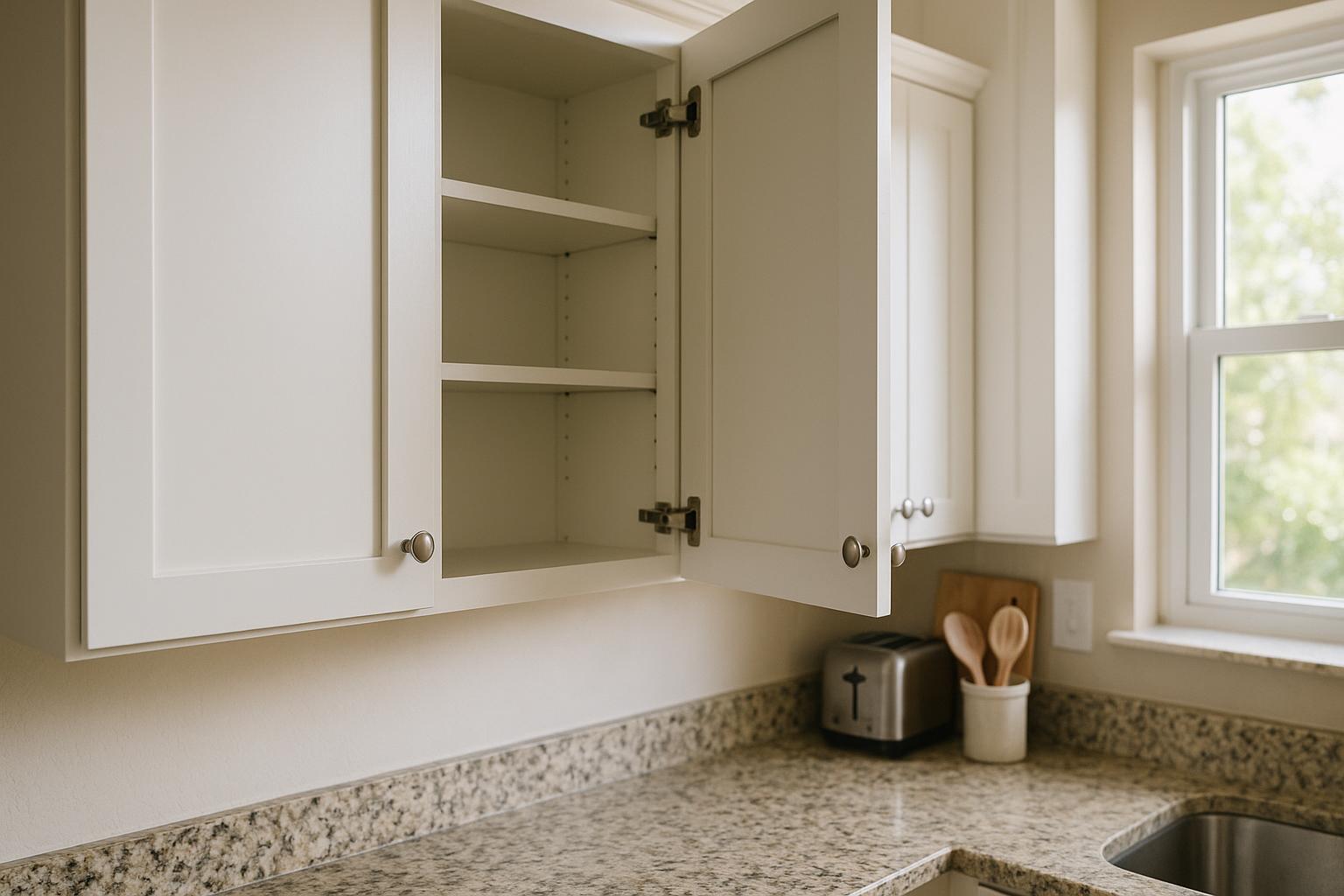
Open your cabinets and look closely at the interior panels. Do you see bubbling particleboard? Are shelves sagging under normal weight? Is the back panel bowing or separating? These are signs of structural failure, and they mean it's time for a full cabinet replacement.
2. Persistent Moisture Damage
Living in Hollywood means living with humidity. Even with good ventilation, moisture finds its way into kitchens — especially around the sink, dishwasher, and any plumbing connections. Over time, this moisture can cause wood to swell, particleboard to crumble, and mold to develop in places you can't easily see.
If you notice a musty smell when you open your under-sink cabinet, or if the bottom panel feels soft or spongy, moisture has already done serious damage. Painting over water-damaged cabinets traps moisture inside and accelerates the decay. In cases like this, replacement is the safer and more cost-effective long-term solution.
3. Hinges and Hardware Won't Hold
Have you tightened the same hinge three times this year? When screw holes strip out repeatedly, it usually means the wood or particleboard around them has deteriorated. You can try filling holes with wood glue and toothpicks — a classic DIY trick — but if the material itself is too soft or damaged to hold fasteners, the cabinet has reached the end of its useful life.
This is especially common with older, builder-grade cabinets that were made with thinner materials to keep construction costs down. They were never designed to last 20 or 30 years.
4. The Layout Doesn't Work for Your Life Anymore
Sometimes cabinets are still structurally sound, but the layout is the real problem. Maybe you've got a kitchen full of deep, hard-to-reach base cabinets with no pull-out drawers. Maybe there's wasted corner space or not enough storage near your prep area.
Painting or refacing won't change your kitchen's functionality. If you find yourself constantly frustrated by how your kitchen flows — where things are stored, how much counter space you have, how the doors swing — a cabinet replacement gives you the chance to rethink the entire layout. For many homeowners in Hollywood, this functional upgrade ends up being even more valuable than the aesthetic one.
5. You're Already Doing a Major Kitchen Remodel
If you're already planning to replace countertops, update flooring, or reconfigure plumbing, it often makes sense to replace cabinets at the same time. Trying to work around old cabinets during a major renovation can create awkward transitions, mismatched dimensions, and extra labor costs.
When everything is done together, your contractor can ensure that cabinets, countertops, and flooring all align properly. It also means one project timeline instead of two separate disruptions to your daily life.
When Refacing or Painting Actually Makes Sense
To be fair, full replacement isn't always necessary. Cabinet refacing or painting can be an excellent option when:
- The cabinet boxes are solid, level, and free of moisture damage
- You're happy with your current kitchen layout and storage configuration
- Your budget is limited but you want a significant visual upgrade
- The cabinets are made of solid wood or high-quality plywood that can hold new doors and hardware
Refacing involves keeping the existing cabinet boxes and replacing the doors, drawer fronts, and visible surfaces with new materials. It's faster, less invasive, and typically costs 40 to 50 percent less than a full replacement. For kitchens where the bones are good, it's a smart investment.
How to Decide: A Quick Self-Assessment
Before you call a contractor, do a quick walk-through of your kitchen and answer these questions honestly:
- Are the cabinet boxes plumb, level, and securely mounted? Grab a shelf and give it a firm push. It shouldn't flex or wobble.
- Is there any sign of water damage, mold, or swelling? Check under the sink and near the dishwasher especially.
- Do doors and drawers close properly? Misalignment can indicate warping in the boxes, not just the doors.
- Are you happy with the layout? If storage and flow are your main complaints, cosmetic fixes won't help.
- How old are the cabinets? Builder-grade cabinets from the 1990s and early 2000s were often made with materials that don't hold up well in Florida's climate.
If you answered no to two or more of these questions, replacement is likely the better path. If the structure is solid and you just want a new look, refacing or painting could save you a significant amount of money.
Getting Expert Eyes on the Problem
The tricky part is that some damage isn't visible without pulling cabinets away from the wall or removing countertops. That's why it's worth having a professional take a look before you commit to either direction.
At Quarry Stone Construction, we help Hollywood homeowners make this exact decision every week. We'll assess your existing cabinets honestly and recommend the approach that makes the most sense for your home, your goals, and your budget — whether that's a full replacement, refacing, or something in between.
If your kitchen cabinets have been bothering you and you're not sure what they really need, reach out for a consultation. Sometimes the answer is simpler — and more affordable — than you think.